
Nutrition: A Complete Guide to Healthy Eating for Energy, Strength, and Long Term Wellness

Nutrition plays a central role in maintaining health, supporting physical performance, strengthening immunity, and improving mental clarity. The foods people choose each day influence how the body grows, repairs itself, and functions over time. A well balanced diet supports energy levels, protects organs, and reduces the risk of chronic illness.
Good nutrition is not about strict rules or temporary eating plans. Instead, it involves building sustainable habits that provide the body with essential nutrients in the right proportions. Understanding how nutrition works makes it easier to make practical choices that support long term wellness.
This article explains the foundations of nutrition, the role of major nutrients, healthy eating strategies, and how to develop habits that support everyday health.
What Is Nutrition
Nutrition refers to the process by which the body takes in food and uses it to support growth, repair, and daily functioning. The nutrients found in food help maintain tissues, regulate body systems, and provide energy.
A balanced nutritional approach supports:
- Muscle development
- Brain function
- Hormone balance
- Immune strength
- Bone health
- Digestive efficiency
Consistent healthy eating improves both short term performance and long term health outcomes.
Why Nutrition Is Important for Overall Health
Nutrition influences nearly every organ system in the body. Poor eating habits may lead to fatigue, weakened immunity, and increased risk of disease, while balanced nutrition supports physical and mental resilience.
Supports Energy Production
Carbohydrates, fats, and proteins supply fuel that powers daily activities. Without adequate nutrition, energy levels decline quickly.
Strengthens the Immune System
Vitamins and minerals help the body defend against infections. Nutrient rich diets support faster recovery from illness.
Maintains Healthy Body Weight
Balanced meals help regulate metabolism and appetite, reducing the likelihood of unhealthy weight gain or loss.
Protects Heart Health
Healthy eating patterns help regulate cholesterol levels and blood pressure.
Improves Brain Function
Nutrients support concentration, memory, and emotional balance throughout life.
The Major Types of Nutrients the Body Needs
The body depends on several categories of nutrients to function properly. These nutrients are divided into macronutrients and micronutrients.
Macronutrients
Macronutrients are required in larger amounts because they provide energy and support body structure.
Carbohydrates
Carbohydrates are the primary energy source for the body.
Healthy carbohydrate sources include:
- Whole grains
- Fruits
- Vegetables
- Legumes
Complex carbohydrates release energy gradually and help maintain stable blood sugar levels.
Proteins
Protein supports tissue repair and muscle growth. It also helps produce enzymes and hormones.
Healthy protein sources include:
- Beans
- Lentils
- Eggs
- Fish
- Poultry
- Dairy products
Adequate protein intake supports recovery after physical activity.
Healthy Fats
Fats support brain health and help absorb certain vitamins.
Healthy fat sources include:
- Nuts
- Seeds
- Avocados
- Olive oil
- Fatty fish
Balanced fat intake supports heart and nervous system function.
Micronutrients
Micronutrients include vitamins and minerals required in smaller amounts but essential for overall health.
Examples include:
- Vitamin C for immune support
- Calcium for bone strength
- Iron for oxygen transport
- Magnesium for muscle function
- Zinc for healing and immunity
A varied diet usually provides sufficient micronutrients.
The Role of Water in Nutrition
Water is one of the most important yet often overlooked components of nutrition. It supports nearly every function in the body.
Water helps:
- Regulate body temperature
- Transport nutrients
- Remove waste products
- Support digestion
- Maintain joint lubrication
Adequate hydration improves concentration, energy levels, and physical performance.
Understanding a Balanced Diet
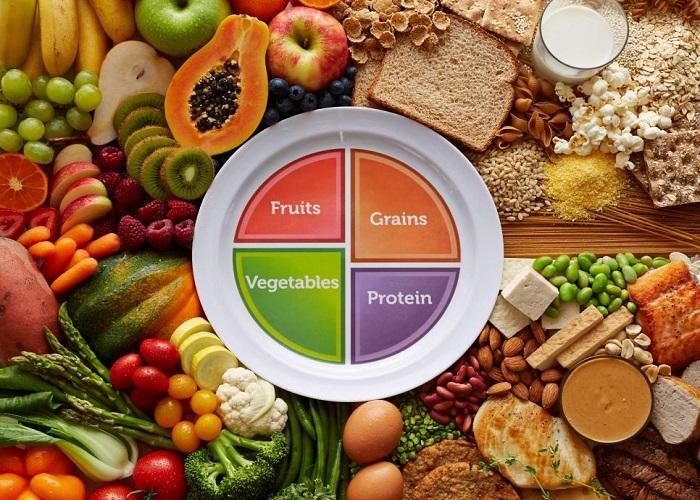
A balanced diet includes a variety of foods from multiple groups in appropriate proportions.
Key components of balanced meals include:
- Fruits and vegetables
- Whole grains
- Lean proteins
- Healthy fats
- Adequate hydration
Eating a wide range of foods ensures the body receives essential nutrients.
Importance of Fruits and Vegetables
Fruits and vegetables provide fiber, vitamins, antioxidants, and minerals that support overall health.
Benefits include:
- Improved digestion
- Reduced inflammation
- Stronger immune defenses
- Better skin health
- Lower risk of chronic disease
Including different colors of fruits and vegetables increases nutrient diversity.
Whole Grains and Their Benefits
Whole grains contain fiber and nutrients that refined grains often lack.
Examples include:
- Brown rice
- Oats
- Whole wheat
- Barley
- Quinoa
Whole grains support digestive health and provide steady energy throughout the day.
Protein and Muscle Health
Protein supports muscle strength and recovery. It also plays a role in hormone production and immune defense.
Individuals who exercise regularly may require additional protein to support muscle repair.
Balanced protein intake helps maintain:
- Strong muscles
- Healthy skin
- Stable metabolism
- Tissue repair processes
Distributing protein intake across meals improves absorption efficiency.
Healthy Fats and Their Role in the Body
Healthy fats support important biological functions that contribute to overall wellbeing.
Benefits include:
- Brain function support
- Hormone regulation
- Nutrient absorption
- Heart health protection
Replacing unhealthy fats with healthier alternatives improves long term cardiovascular health.
Nutrition and Digestive Health
Digestive health depends heavily on dietary habits.
Fiber rich foods support healthy digestion by promoting regular bowel movements and supporting beneficial gut bacteria.
Foods that support digestion include:
- Vegetables
- Fruits
- Whole grains
- Legumes
- Yogurt
Balanced digestion improves nutrient absorption and overall comfort.
Nutrition and Mental Wellbeing
Nutrition influences emotional stability and brain performance. Balanced meals help regulate mood and improve concentration.
Key nutrients supporting mental wellbeing include:
- Omega three fatty acids
- B vitamins
- Iron
- Magnesium
Regular meals also help maintain stable blood sugar levels, which supports emotional balance.
Nutrition Across Different Life Stages
Nutritional needs change throughout life. Adjusting dietary habits according to age helps maintain health.
Children and Adolescents
Growing bodies require nutrients that support bone development and brain function.
Important nutrients include:
- Calcium
- Protein
- Iron
- Vitamins
Balanced meals support healthy growth patterns.
Adults
Adults benefit from diets that support energy, metabolism, and disease prevention.
Key priorities include:
- Maintaining healthy weight
- Supporting heart health
- Preserving muscle mass
Older Adults
Older adults require nutrients that support bone strength and muscle maintenance.
Important nutrients include:
- Calcium
- Vitamin D
- Protein
- Fiber
Healthy eating helps maintain independence and mobility.
Common Nutrition Mistakes to Avoid
Many people unintentionally develop habits that reduce nutritional quality.
Common mistakes include:
- Skipping meals regularly
- Consuming excessive processed foods
- Drinking insufficient water
- Limiting fruit and vegetable intake
- Following restrictive eating patterns without guidance
Correcting these habits improves energy and long term health.
Practical Tips for Building Healthy Eating Habits
Developing sustainable habits makes nutrition easier to maintain.
Helpful strategies include:
- Planning meals ahead of time
- Choosing whole foods more often
- Eating slowly and mindfully
- Maintaining regular meal times
- Preparing meals at home when possible
Consistency supports lasting improvement.
Nutrition and Physical Activity
Nutrition and exercise work together to support overall fitness and recovery.
Balanced meals provide:
- Energy for movement
- Protein for muscle repair
- Hydration support
- Electrolyte balance
Combining healthy eating with regular physical activity improves endurance and strength.
Frequently Asked Questions About Nutrition
What is the difference between diet and nutrition
Diet refers to the foods people regularly eat, while nutrition describes how the body uses those foods for health and function.
Are carbohydrates harmful to health
Carbohydrates are an essential energy source. Choosing whole grain and fiber rich carbohydrates supports better health than refined options.
How often should meals be eaten each day
Meal timing varies by individual preference, but regular eating patterns help maintain steady energy levels.
Is it necessary to take vitamin supplements daily
Most people obtain sufficient nutrients from balanced diets. Supplements may be helpful when recommended by healthcare professionals.
Can nutrition affect skin appearance
Yes. Adequate hydration and nutrient rich foods support skin elasticity and overall appearance.
Does cooking reduce nutrient content in food
Some nutrients are reduced during cooking, but many foods remain highly nutritious after proper preparation methods.
How can someone improve nutrition on a limited budget
Planning meals, choosing seasonal produce, and buying whole ingredients instead of processed foods help maintain balanced nutrition while managing costs.
Comments are closed.