


Dryness, dullness and uneven texture can make skin look tired even when someone has a consistent skincare routine. For people considering treatment beyond topical products, skin booster injections can be a useful topic to research because they sit between everyday skincare and more corrective aesthetic procedures, focusing on skin quality rather than changing facial shape.
Skin Boosters Are About Skin Condition
Skin boosters are generally used to support hydration, smoothness and overall radiance. They are not designed to create the same effect as filler, nor do they work like treatments that relax facial muscles. This distinction matters because many people arrive at aesthetic consultations with a rough idea of wanting to look “fresher”, but not always knowing which treatment suits that goal.
If the concern is tired-looking skin, fine dehydration lines or a lack of glow, a skin-quality treatment may be relevant. If the concern is deeper folds, facial volume loss, pigmentation, acne scarring or significant laxity, another treatment may be more suitable.
A good consultation should separate these concerns clearly. The practitioner should explain what the treatment can realistically improve and where its limits are, so the patient does not expect a result the procedure is not intended to deliver.
The Consultation Should Feel Specific
Before any injectable treatment, the skin and medical history should be assessed properly. This is not just a quick step before the appointment. It helps identify whether the treatment is appropriate, whether there are any reasons to delay, and how the plan should be adapted to the individual.
Patients should be ready to discuss current skincare, recent treatments, allergies, medication, skin sensitivity and any previous aesthetic procedures. These details can influence timing and suitability.
The consultation should also cover the treatment area. Some people may be focused on the cheeks, while others may be concerned about the overall face, neck or specific areas where the skin feels dry or crepey. A personalised plan is usually more useful than applying the same approach to every patient.
What The Appointment May Involve
The exact treatment experience can vary depending on the product used, the area treated and the practitioner’s technique. In general, skin booster treatments involve placing small amounts of product beneath or within the skin using fine injections or a suitable delivery method.
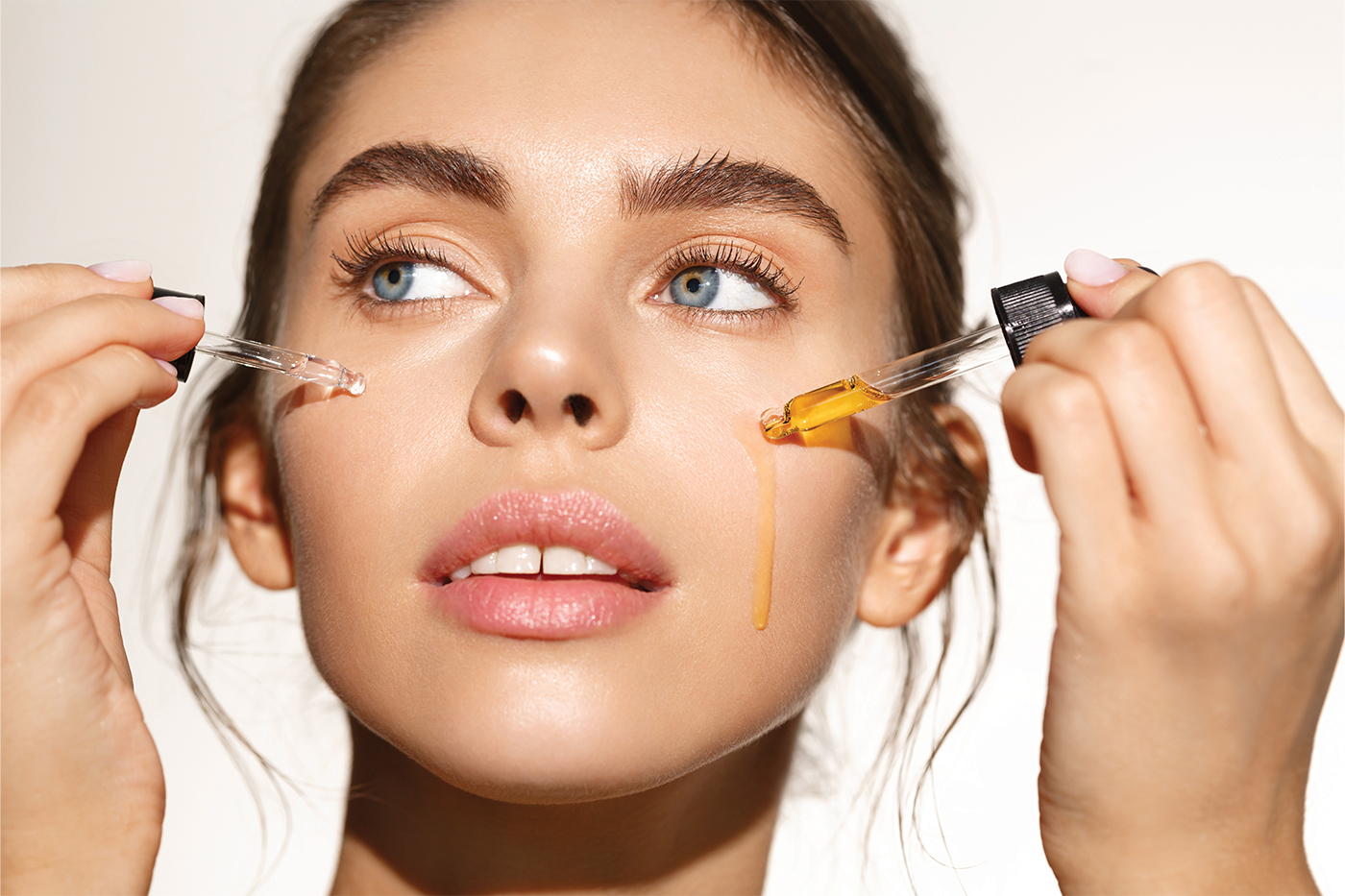
Patients may feel mild discomfort, pressure or small pinpricks during the appointment. Some clinics may use numbing cream or other comfort measures depending on the treatment plan. It is sensible to ask about this in advance, especially for anyone nervous about needles.
The appointment should also include clear hygiene standards and explanation throughout. Patients should know what is being done, why certain areas are being treated and what to expect immediately afterwards.
Aftercare Can Affect The Experience
After treatment, the skin may show temporary redness, swelling, small bumps, tenderness or minor bruising. These effects are usually part of the short-term recovery process, but patients should be told what is normal and when to contact the clinic for advice.
Aftercare instructions may include avoiding heavy exercise, excessive heat, alcohol, facial massage or certain skincare actives for a short period, depending on the clinic’s guidance. Following this advice can help reduce irritation and support a smoother recovery.
It is also wise to plan treatment around social events. Even if downtime is minimal, the skin may not look completely settled straight away. Booking too close to an important occasion can create unnecessary pressure.
Results Should Be Judged Gradually
Skin quality treatments often work best when judged over time rather than immediately. The skin may feel different before visible changes become obvious, and some treatment plans may involve more than one session.
Patients should ask about the expected timeline, how many sessions may be recommended, and how maintenance is usually approached. This helps with both budgeting and expectations.
The most sensible decisions come from understanding the treatment as part of a wider skin plan. Good skincare, sun protection, hydration, sleep and lifestyle habits can all influence how the skin looks and responds. Skin boosters may support improvement, but they should not be seen as a replacement for daily skin health.
A considered approach makes the process feel calmer. When patients understand what the treatment is for, how it is performed and what recovery may involve, they are better placed to decide whether it fits their goals.
Comments are closed.