
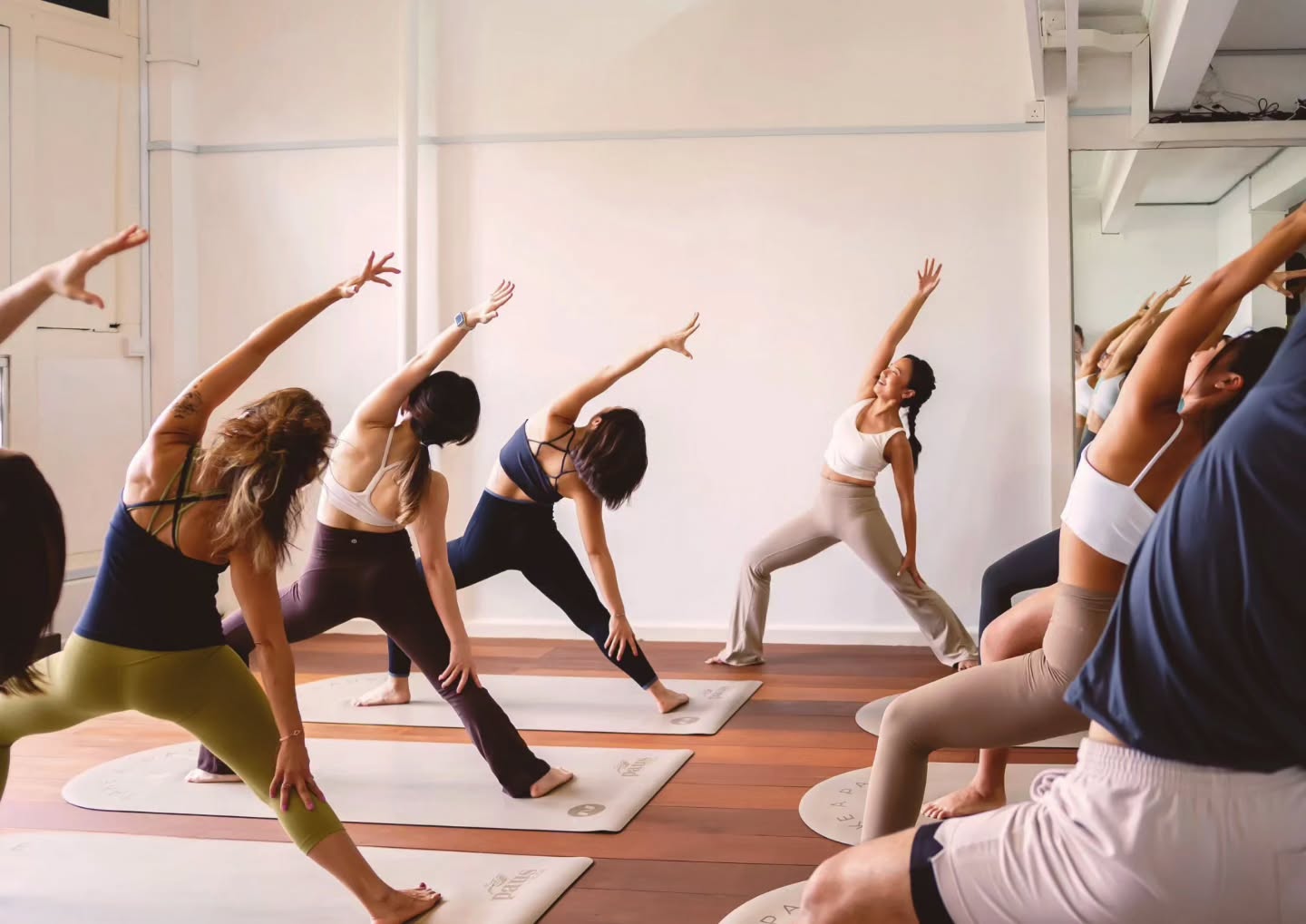
Multi-Modality Class Design: Why Singapore’s Best Studios Combine Breathwork, Asana and Mindfulness in Single Sessions

The fragmentation of yoga’s traditional components into separate, specialised class formats has been one of the most commercially successful and physiologically problematic developments in the modern yoga industry. The proliferation of classes that focus exclusively on asana, or exclusively on breathwork, or exclusively on meditation has made each component more accessible as a standalone experience while simultaneously undermining the integrated practice that produces yoga’s most distinctive and clinically significant effects. Singapore’s most sophisticated yoga classes Singapore present a different model, one that recognises the interdependence of yoga’s primary components and designs single sessions to engage all three simultaneously in a way that produces outcomes none of them achieves in isolation.
Understanding why multi-modality class design produces better health outcomes than its single-component alternatives requires looking at the specific interaction effects between breathwork, asana and mindfulness practice, and at the physiological mechanisms through which their simultaneous engagement produces effects that are not simply additive but genuinely synergistic.
The Three-Component Framework and Its Interaction Logic
Asana, the physical posture practice that dominates most contemporary yoga classes, works primarily on the musculoskeletal, proprioceptive and cardiovascular systems. It improves muscle length and joint mobility, develops neuromuscular coordination and balance, places cardiovascular demands that improve heart and lung function at moderate intensities, and generates the physical fatigue that contributes to post-practice ease and sleep quality. These are substantial benefits, and they explain why asana-focused classes have been the dominant format in Singapore’s commercial yoga market.
Pranayama, the systematic regulation of breath that constitutes yoga’s breathwork tradition, works primarily on the autonomic nervous system, the respiratory system and the neuroendocrine system. Specific breathwork techniques produce directed shifts in the balance between sympathetic and parasympathetic activity, modulate the HPA axis’s cortisol production through their effect on the hypothalamic CRH signal, and alter the blood’s carbon dioxide and oxygen balance in ways that produce systemic physiological effects far beyond what the simple act of breathing might suggest. These are the mechanisms through which yoga’s stress management effects are primarily delivered, and they are almost entirely absent from classes that do not include dedicated breathwork instruction.
Dharana and dhyana, the concentration and meditative awareness practices that constitute yoga’s mindfulness tradition, work primarily on the prefrontal cortex and the default mode network. Sustained attentional practice strengthens the neural circuits that support executive function, emotional regulation and cognitive flexibility, while simultaneously reducing the ruminative activity of the default mode network that drives anxiety, self-critical thinking and the stress-response activation of psychological rather than physical stressors. These cognitive and emotional regulation benefits are the primary mechanism through which yoga practice improves mental health outcomes, and they are systematically underdelivered in classes that treat asana as the practice and mindfulness as a brief closing formality.
The Synergistic Effects of Multi-Modality Integration
When breathwork, asana and mindfulness are engaged simultaneously within a single session rather than delivered separately, the interaction effects between them produce outcomes that exceed what any component achieves alone.
The most important interaction is between breathwork and asana. When breath awareness and regulation are integrated directly into the practice of postures rather than delivered as a separate segment, the nervous system effect of the breathwork is amplified by the somatic engagement of the asana. The body in a physical posture is more fully engaged in the sensory experience of the moment than the body at rest, and this heightened somatic engagement amplifies the interoceptive signal that breathwork produces. Practitioners who learn to regulate their breath within the demands of a physically challenging posture are training the autonomic nervous system under conditions of genuine stress, which produces a more robust parasympathetic capacity than breathwork practiced at rest can develop.
The interaction between mindfulness and asana is equally significant. Sustained attentional focus on the physical sensations of a posture, rather than on the posture’s external shape or on mental content unrelated to the immediate experience, produces a qualitatively different practice than mechanically moving through a sequence without internal attention. The mindful asana practitioner is simultaneously training proprioceptive awareness, developing interoceptive sensitivity and practising the attentional regulation that constitutes the mindfulness component’s primary cognitive benefit. The posture and the mindfulness are not two activities occurring simultaneously. They are a single integrated activity whose effects cannot be disaggregated.
How Singapore’s Best Teachers Integrate All Three Components
The technical challenge of multi-modality class design is maintaining the coherent integration of all three components throughout a session of conventional duration, typically 60 to 90 minutes, without sacrificing the depth of any single component or reducing the session to a superficial sampling of each.
Teachers who achieve this integration effectively typically begin their sessions with a breathwork orientation that establishes the respiratory pattern and attentional quality that will inform the entire class. This opening breathwork is not a warm-up that precedes the real practice. It establishes the physiological and attentional ground from which the asana and mindfulness components will grow. The breath pattern introduced in the opening is carried continuously through the posture sequence, and the quality of attention established in the opening is maintained as the asana demands increase.
Within the asana sequence itself, mindfulness instruction is woven through movement and posture cues rather than reserved for savasana. Cues that direct attention to specific internal sensations, to the quality of breath within demanding postures, to the proprioceptive experience of weight distribution and joint position, are all mindfulness instructions delivered within an asana context. A student who follows these cues is simultaneously practising posture, breathwork and mindfulness in a genuinely integrated manner rather than cycling between separate activities.
The closing phase of a multi-modality class typically reverses the opening: as asana demands decrease, the breathwork instruction becomes more explicit and the mindfulness orientation deepens, allowing the physiological effects initiated during the active phase to be consolidated in a state of increasing stillness.
The Evidence Base for Multi-Modality Superiority
Research comparing multi-modality yoga interventions against single-component approaches consistently finds superior outcomes for the integrated approach across a range of health measures. Studies examining yoga for anxiety, for hypertension, for chronic pain and for insomnia have found that protocols that integrate breathwork, asana and mindfulness produce significantly better outcomes than those that deliver only one or two components, even when the total session duration is equivalent.
The clinical implication for Singapore practitioners who are attending yoga for specific health management purposes is direct. If the therapeutic goal is stress reduction, blood pressure management, anxiety reduction or sleep improvement, multi-modality classes that genuinely integrate breathwork and mindfulness with asana will produce better outcomes than asana-focused classes that treat breathwork and mindfulness as optional additions.
Yoga Edition reflects the understanding that the most therapeutically effective yoga available in Singapore is the kind that honours the interdependence of yoga’s traditional components, delivering a genuinely integrated practice rather than a physically well-designed asana sequence with the label of yoga applied.
Comments are closed.