
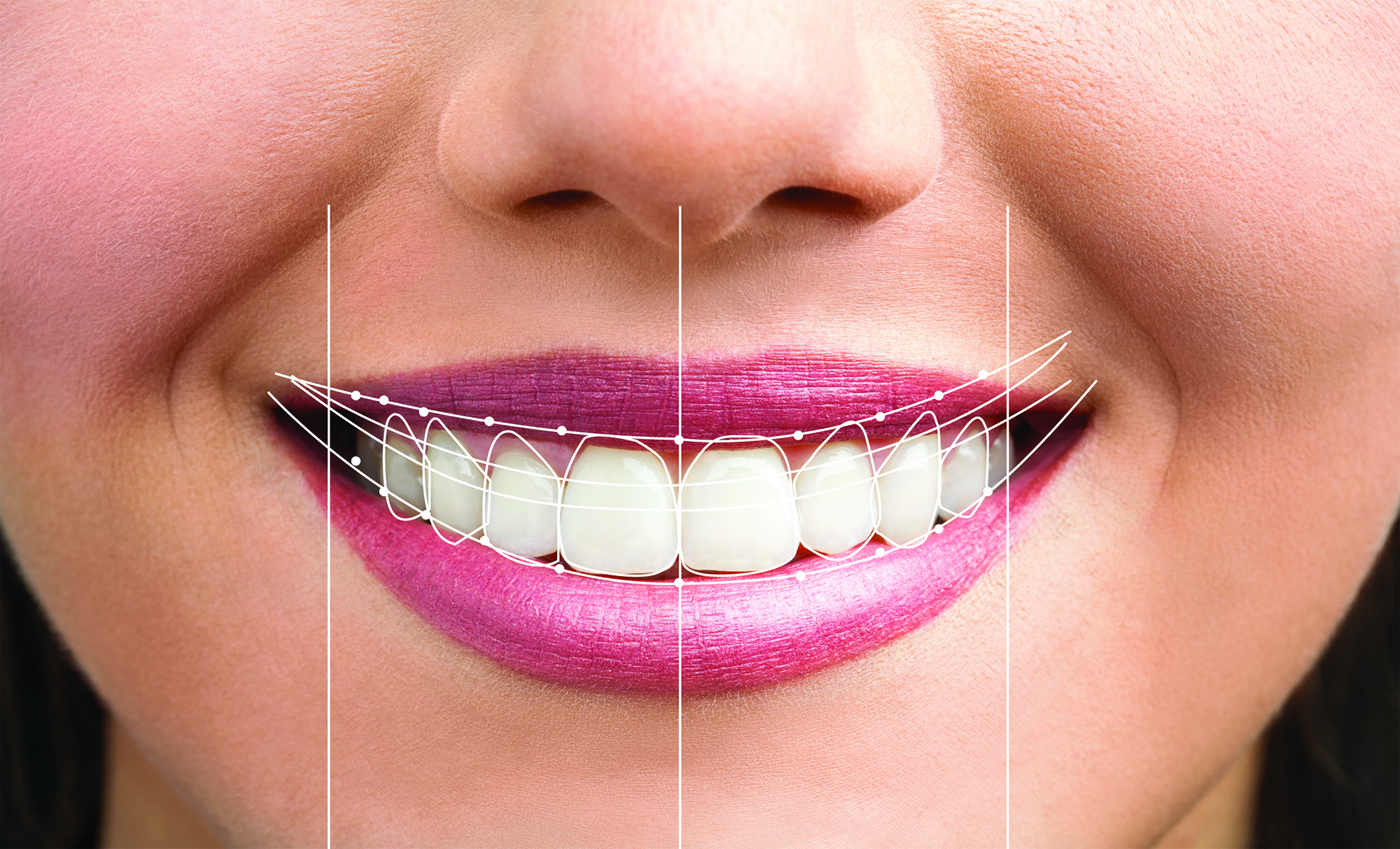

Most people only think about dental restoration when something chips, discolours, or begins to feel uncomfortable. Until then, teeth tend to fade into the background of daily life. Yet interest in options such as digital dental crowns in Thailand has grown quietly among patients who want durability and accuracy rather than purely cosmetic change.
What surprises many is how much modern dentistry now resembles precision engineering. Scanning replaces moulds, software models biting forces, and milling machines shape restorations to microscopic tolerances. The process feels closer to design and manufacturing than the traditional image of dental impressions and manual shaping.
This shift affects not only comfort and appearance, but how reliably restorations integrate with the rest of the mouth over time.
Digital scanning captures fine surface detail that older impression methods often missed. Small asymmetries in bite alignment or enamel contour become visible immediately, allowing adjustments before fabrication even begins. For patients, this typically means fewer follow-up visits and fewer uncomfortable refinements.
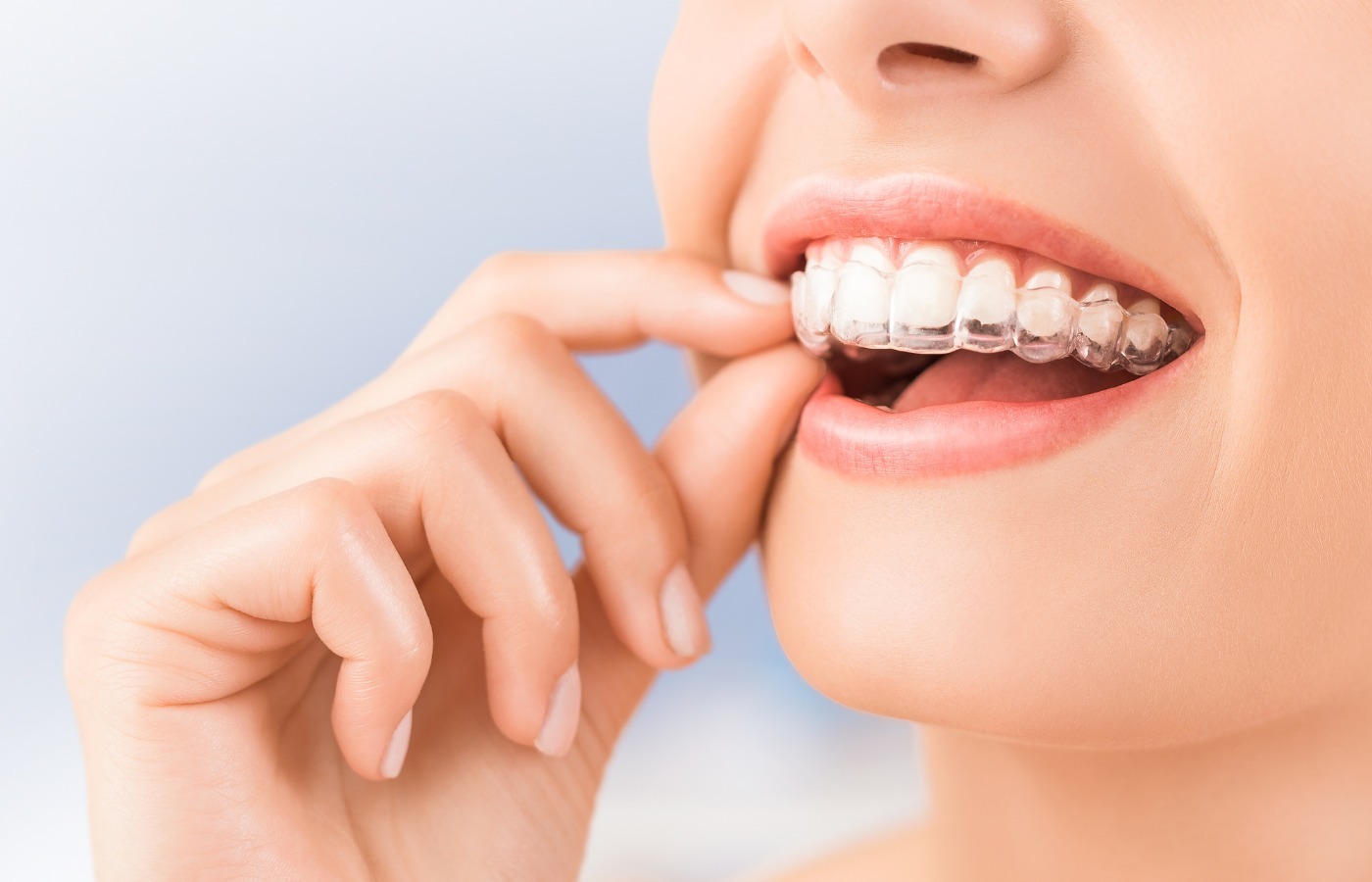
Accuracy also reduces strain on surrounding teeth and jaw joints. When a crown distributes pressure evenly, long-term wear patterns stabilise rather than creating new stress points elsewhere in the mouth. This functional benefit often matters more than surface aesthetics once the restoration has been in place for several years.
Where Technology Meets Biological Reality
Despite advanced tooling, teeth remain biological structures influenced by saliva chemistry, bone density, and individual habits such as grinding or posture. Digital planning allows clinicians to anticipate some of these variables, but adaptation still occurs gradually as the mouth settles into a new balance.
Patients often notice subtle differences in speech or chewing during the first days following placement. These sensations usually fade as muscle memory recalibrates. The body adjusts continuously, even when the restoration itself is engineered with extreme precision.
Material choice also plays a part. Modern ceramics and composites aim to balance hardness with elasticity, avoiding excessive wear on opposing teeth while maintaining structural integrity. The objective is not simply to replace a missing surface, but to restore harmony within a complex mechanical system.
The Human Side of Precision Dentistry
Technical accuracy alone does not define satisfaction. Clear explanation, realistic expectations, and good aftercare shape how confident patients feel about their decision. Understanding how a restoration was designed and fitted often reassures people when minor sensations occur during early adjustment.
There is also an emotional dimension. A stable, natural-feeling restoration can quietly change how someone speaks, smiles, or engages socially. These effects rarely appear in clinical measurements, yet they influence comfort and self-assurance daily.
Interestingly, many patients report becoming more attentive to oral habits after experiencing digitally guided treatment. Awareness of bite pressure, posture, and cleaning routines tends to increase once people understand how finely balanced the system truly is.
Precision technology does not remove the need for care and attentiveness, it highlights it. When restoration becomes a collaboration between engineering accuracy and biological adaptation, durability depends as much on daily behaviour as on design tolerances.
Comments are closed.