

For many couples and individuals exploring fertility care, choosing ICSI in Thailand is often part of a wider decision about where they can access experienced clinical teams, strong embryology support, and a treatment pathway that feels clear from the first consultation onwards. Thailand has become a well-known destination for fertility treatment, but the most useful starting point is understanding what ICSI is designed to do, and what it is not.
What ICSI Actually Changes In The IVF Process
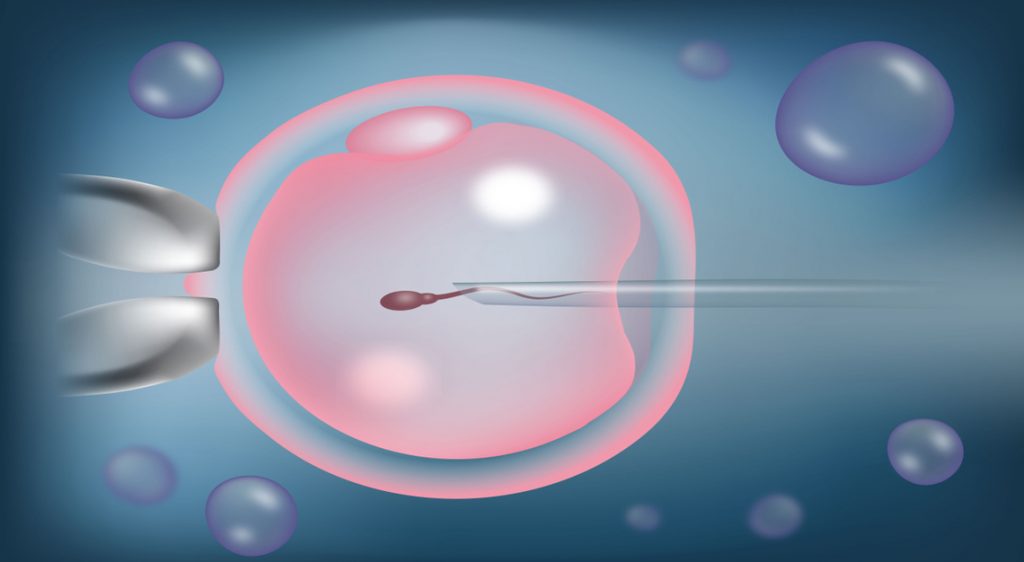
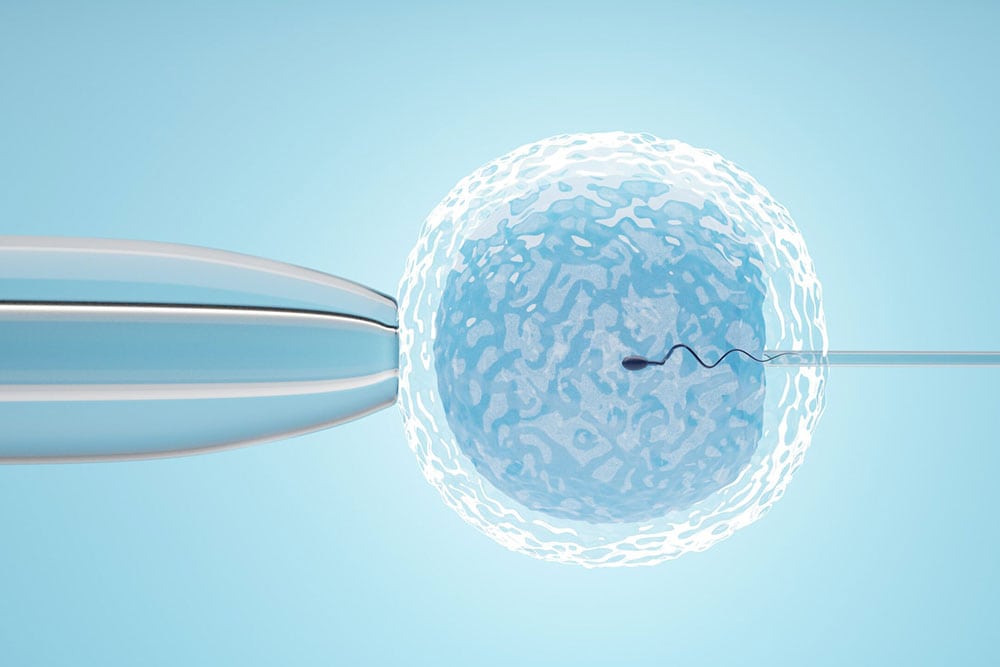
ICSI, intracytoplasmic sperm injection, is not a separate alternative to IVF in the way many people first assume. It is a fertilisation technique used within an IVF cycle. Instead of allowing sperm and egg to fertilise in the dish on their own, an embryologist injects a single sperm directly into the egg. This is typically considered in situations where fertilisation may be less likely with conventional IVF, particularly in male factor infertility cases.
That distinction matters because patients often compare “IVF versus ICSI” as if they were completely different journeys. In reality, much of the cycle is shared: ovarian stimulation, egg collection, embryo culture, and embryo transfer follow the familiar IVF pathway. The difference sits at the fertilisation stage, where the lab team uses micromanipulation to help overcome barriers that may prevent sperm from fertilising the egg naturally in the lab environment.
Understanding this early tends to reduce confusion and helps patients ask better questions in consultation. The practical conversation becomes less about labels and more about why a clinic is recommending a particular fertilisation method for that specific diagnosis.
Why The Decision To Use ICSI Should Be Individual, Not Automatic
ICSI is widely used, and for the right cases it can be an important part of treatment planning. At the same time, current evidence discussions continue to stress that it should be used for clear clinical reasons rather than as an automatic upgrade on every cycle. Recent published analysis has questioned routine use in some non-male-factor cases, which is why diagnosis-led planning matters so much.
This is one of the most important points for patients considering treatment in Thailand or anywhere else. The quality of care is not only about technology or facilities. It is also about whether the clinic explains the recommendation properly. A strong consultation should connect the proposed treatment plan to your fertility history, test results, sperm factors, egg factors, previous outcomes if relevant, and any concerns about embryo development or fertilisation failure. That kind of explanation builds confidence because the treatment feels tailored, not generic.
Patients can sometimes feel pressure to focus only on headline success rates, but the more useful discussion is usually about suitability. The right treatment choice starts with the right indication.
What The Patient Experience Often Feels Like In Practice
From the patient side, ICSI is often experienced as an IVF cycle with one highly specialised laboratory step happening behind the scenes. Most of the emotional and physical focus remains on the same parts patients already worry about: stimulation monitoring, egg retrieval, the waiting period after fertilisation, and embryo transfer timing.
That matters because people sometimes imagine the “injection” part of ICSI as something they will physically feel. The sperm injection itself is performed in the laboratory by the embryology team as part of the fertilisation process. The patient experience is shaped much more by the broader IVF treatment pathway, including medication protocols and retrieval procedures, than by the micromanipulation step itself.
Good clinics usually help by setting expectations clearly around timelines, lab updates, and what each stage means. That communication can make a significant difference, especially during the waiting periods when patients are trying to interpret every update and compare their cycle to stories they have seen online.
Risks, Limits, And Why Honest Counselling Matters
ICSI can be highly effective in appropriate cases, but it is still a medical treatment with limits and risks. UK patient guidance from the HFEA and NHS sources notes that egg damage can occur during the ICSI process, and some sources describe this as a known small risk associated with the injection step itself.
That does not mean ICSI is unsafe overall, but it does mean patients deserve clear counselling. Fertility care is full of emotionally charged decisions, and trust improves when clinics explain both the benefits and the limitations in straightforward language. A good specialist will not present ICSI as a guarantee. They will explain where it can improve the chance of fertilisation and where broader factors, especially egg quality, sperm quality, age, embryo development, and underlying diagnosis, still play a major role in outcomes.
This is especially important for people travelling for treatment. It is easy to get drawn into marketing language, but the most reliable sign of quality is usually careful, realistic communication rather than exaggerated promises.
Why Thailand Remains A Considered Option For Fertility Patients
Thailand’s fertility sector is often discussed in terms of access, specialist care, and urban clinic infrastructure, with fertility services concentrated in major centres such as Bangkok. That concentration can be practical for international patients who want consultations, treatment, and follow-up planning coordinated in one city-based setting.
For patients considering Bangkok-based treatment, the real value is usually a combination of factors: clinical expertise, embryology standards, communication quality, and how well the team supports decision-making across the full cycle. The best treatment experiences tend to come from clinics that combine technical capability with patient education, because fertility treatment is easier to navigate when patients understand what is happening and why.
ICSI in Thailand can be a strong option for the right patient and the right diagnosis, but the best outcomes usually begin with something simpler than any procedure: a careful assessment, a clear explanation, and a treatment plan built around your situation rather than a standard template.
Comments are closed.