
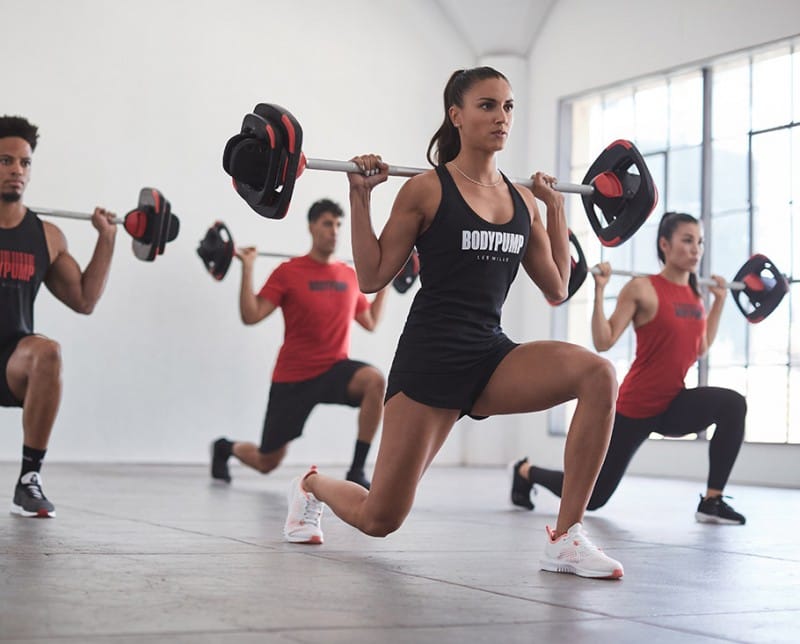

Why Music Matters in BODYPUMP
One of the defining features of a bodypump class is the way music drives the workout. Unlike a regular gym session where individuals listen to personal playlists, BODYPUMP is built around carefully selected tracks that align with each segment of the workout. The music is not background filler, it is an essential tool that dictates tempo, intensity, and even the emotional energy of the class.
For many, the music is what makes BODYPUMP addictive. It transforms repetition into rhythm, fatigue into motivation, and structured sets into a memorable group experience. The connection between beats and movement is a key reason participants stay committed week after week.
The Science of Music and Exercise
Research shows that music influences performance in several ways. It reduces the perception of effort, improves endurance, and enhances mood. In the context of BODYPUMP, this science is applied deliberately to create an engaging training environment.
-
Rhythmic synchronisation: Matching movement to the beat helps regulate pace and consistency.
-
Distraction from fatigue: Music reduces awareness of discomfort, allowing participants to push harder.
-
Mood enhancement: Upbeat tracks increase enjoyment, leading to better adherence over time.
-
Performance boost: Fast tempos elevate heart rate and encourage higher effort output.
These scientific principles explain why BODYPUMP without music would lose much of its impact.
How Tracks Are Selected for BODYPUMP
Every release of BODYPUMP comes with a new set of songs. These are not random choices. Each track is carefully matched to a specific workout segment.
Typical structure of music pairing
-
Warm-up: Moderate tempo songs set the mood and prepare muscles.
-
Squats track: Strong, driving beats encourage powerful lower body movement.
-
Chest and back tracks: High-energy songs match pressing and pulling intensity.
-
Arms and shoulders: Shorter, punchy tracks keep participants engaged during isolation work.
-
Lunges and core: Slightly slower tracks support balance and control.
-
Cooldown: Gentle melodies allow relaxation and recovery.
By aligning music with movement, participants experience a flow that feels natural, even as intensity builds.
Psychological Impact of Music on Motivation
Motivation is one of the hardest challenges in fitness. Many people struggle with consistency, but music provides a solution.
Motivational benefits
-
Creates anticipation when familiar songs are played.
-
Triggers positive emotions that increase enjoyment of exercise.
-
Enhances group cohesion when everyone moves to the same beat.
-
Builds an emotional connection that makes workouts memorable.
This emotional lift explains why many participants recall specific BODYPUMP tracks long after the class ends. Music becomes a cue that reminds them of achievement and resilience.
Role of Tempo and Rhythm
Tempo is central to BODYPUMP’s effectiveness. Each beat per minute (BPM) dictates how quickly participants lift, lower, or hold positions.
-
Fast tempo: Encourages explosive energy, keeping heart rate elevated.
-
Moderate tempo: Supports steady endurance-based lifting.
-
Slow tempo: Increases time under tension, creating muscle fatigue and strength gains.
Tempo variation ensures that classes remain balanced, challenging both muscles and cardiovascular endurance.
The Social Dimension of Music in Group Fitness
In a group setting, music unites participants. Everyone moves together, guided by the same rhythm, which builds a sense of community. The collective energy becomes greater than the sum of individual effort.
This shared experience is especially important in BODYPUMP, where fatigue might otherwise cause dropouts. The beat keeps everyone aligned, motivated, and focused, even during the most demanding tracks.
Music and Long-Term Engagement
One of the reasons BODYPUMP has maintained global popularity for decades is the constant refresh of music. New releases every three months prevent monotony while keeping the workout structure familiar.
This balance between novelty and consistency sustains long-term engagement. Participants know what to expect in terms of workout flow, but the new songs and choreographies keep things exciting.
Local Preferences in Singapore
While BODYPUMP follows a global standard, cultural context shapes how music resonates with participants. In Singapore, the diverse population appreciates a mix of international hits and rhythmic tracks that cross language barriers. Music selection plays a big role in connecting with this multicultural audience, ensuring inclusivity and relevance.
Instructor Influence on Music Delivery
Instructors do not just press play. They bring music to life through timing, cueing, and motivational energy. Their ability to match vocal encouragement with song intensity enhances the workout. For example, an instructor might rally the class during a song’s chorus to encourage heavier effort, or use quieter moments to focus on form.
The instructor’s interpretation of music is part of what makes each class unique, even when following the same choreography.
Music Beyond the Studio
Participants often find themselves listening to BODYPUMP tracks outside of class. This recall strengthens commitment, as songs become associated with determination and achievement. Some use these tracks during solo workouts to replicate the energy of a live session.
This carry-over effect shows how music deepens the impact of the programme, extending motivation beyond the studio.
BODYPUMP at True Fitness Singapore
Singapore residents often highlight music as one of the biggest draws of group training. At True Fitness Singapore, BODYPUMP classes are delivered with attention to sound quality and atmosphere, ensuring participants fully experience the motivational power of music. The right combination of beats, choreography, and instructor guidance transforms each class into a unique performance that participants look forward to.
Tips for Getting the Most Out of Music in BODYPUMP
-
Pay attention to tempo cues from the instructor to maximise results.
-
Use music as a guide for pacing rather than rushing movements.
-
Embrace familiar songs to push through fatigue.
-
Stay present and let the rhythm carry you through challenging sets.
-
Celebrate the emotional high that music provides at the end of each class.
FAQs
Q. Why does BODYPUMP change music every few months?
Ans. Regular updates prevent boredom and ensure participants remain motivated while maintaining structured progress across different muscle groups.
Q. Can I use my own music during class?
Ans. No. Since BODYPUMP is choreographed to specific tracks, personal playlists would disrupt flow and synchronisation.
Q. Does the type of music really affect workout results?
Ans. Yes. Music tempo and rhythm influence pace, effort, and endurance, making a direct impact on calorie burn and strength gains.
Q. What if I dislike a song in the release?
Ans. Classes involve multiple tracks, so preferences vary. Disliking one track will not affect overall results, and new releases refresh the playlist regularly.
Q. Is music still important if I train at home with BODYPUMP?
Ans. Absolutely. Music provides structure and motivation, whether in the studio or in a virtual setting. It ensures consistency and enhances the training effect.
Comments are closed.