
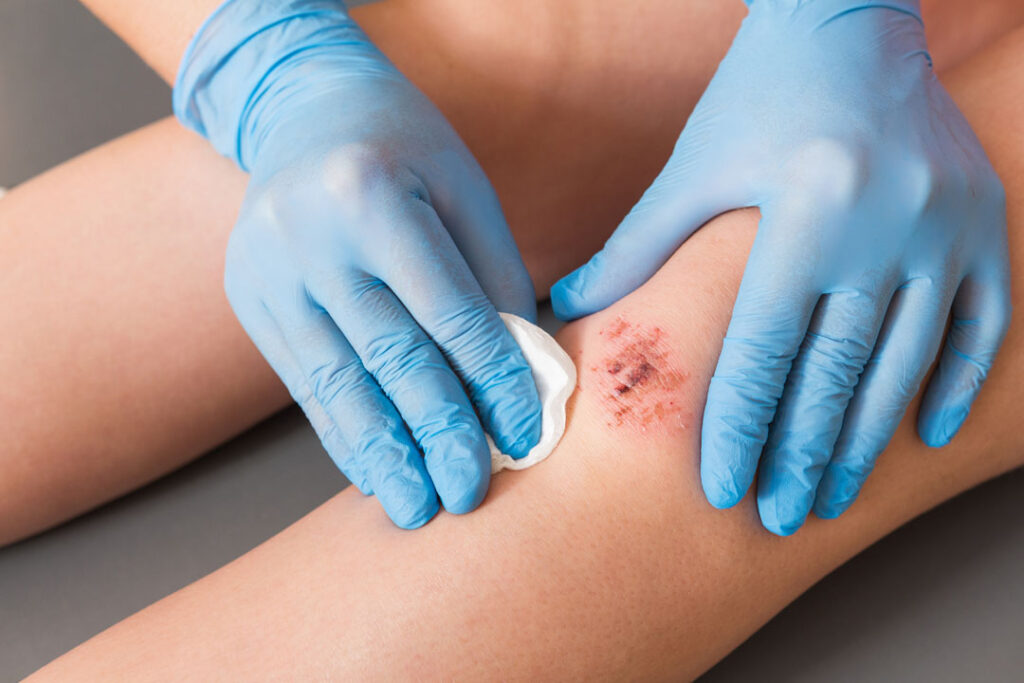

Ask most people how a wound heals and you will get some version of the same answer: the body just does it. Give it time, give it rest, maybe a plaster, and the skin knits itself back together like nothing happened. It is a comforting story. It is also, biologically speaking, a bit of a fairy tale.
What actually happens is closer to a supply chain crisis. Healing tissue is ravenous for oxygen, and the more damaged the area, the worse its own blood supply gets at delivering any. That is the gap that hyperbaric oxygen therapy singapore clinics have started filling for patients whose recovery has stalled, whether after surgery, a stubborn wound, or a course of radiation that left tissue worse for wear. It works by leaning on a simple, almost embarrassingly basic idea about pressure and gas that most of us slept through in secondary school.
Healing Is Basically A Traffic Jam
Every cell involved in repairing tissue, from the ones laying down new collagen to the immune cells mopping up bacteria, runs on oxygen. The trouble is that an injury tends to damage exactly the blood vessels meant to deliver it. So the site that needs oxygen most is often the site getting the least, a bit like sending the fire brigade down a road the fire has already collapsed.
Rest alone does not fix that supply problem. The body is a competent project manager in most circumstances, but even a good manager cannot deliver goods along a road that no longer exists.
More Air Does Not Solve It
Here is the part that surprises people. Breathing a bit more oxygen through a regular mask barely helps, because the haemoglobin in your blood is already carrying close to as much oxygen as it can hold. Adding more to the tank does nothing if the tank is already full.
Hyperbaric treatment gets around this with a genuinely clever workaround. Inside a pressurised chamber, the whole body sits at two to three times normal atmospheric pressure while breathing pure oxygen. At that pressure, oxygen stops relying on haemoglobin altogether and dissolves directly into the blood plasma, which can then seep into tissue that damaged or blocked capillaries could never reach on their own. It is less like topping up a tank and more like flooding the whole system so oxygen finds its own way through the cracks.
What It Is Actually Like Inside
Picture a long, clear tube, roughly the shape of a submarine window display, with just enough room to lie down. Your ears pop the way they do on a flight as the pressure builds, and a typical session runs somewhere around ninety minutes. Most people spend it napping, reading, or watching something on a screen mounted overhead. It is undramatic in a way that surprises first-timers expecting something closer to science fiction.
The Mistake People Make After One Session
The most common, and most costly, mistake is expecting a single session to work like a light switch. For genuine tissue repair, clinical protocols usually call for a course of twenty to forty sessions, not one. A single dive-style session has its place for acute conditions like decompression sickness, but chronic wounds and slow-healing tissue need repeated exposure to build up the effect. Anyone booking one session and expecting a dramatic before-and-after is going to be disappointed for reasons that have nothing to do with whether the treatment works.
Who This Genuinely Helps
The evidence base is strongest for a specific, fairly narrow list of conditions, including:
- Diabetic or surgical wounds that have stopped healing on their own
- Tissue damage left behind by radiation treatment
- Certain serious infections where oxygen-starved tissue lets bacteria thrive
- Skin grafts or flaps that are struggling to take hold
Outside that list, the wellness world has also picked up hyperbaric therapy as a general anti-ageing or energy boost, and the evidence there is considerably thinner. Worth knowing before deciding whether you are treating a genuine medical bottleneck or chasing a trend.
Deciding If It Is Right For You
If recovery has genuinely stalled rather than just feeling slow, that is the moment to raise it with a doctor rather than push through with rest alone. Ask how many sessions a realistic course would involve and what specific outcome it is meant to achieve, since that is what separates a targeted medical treatment from an expensive nap in a pressurised tube.
Healing was never really about willpower or patience in the first place. It is a logistics problem, oxygen that needs to get somewhere it currently cannot, and once you see it that way, the slow bits of recovery stop feeling like a personal failing and start looking like exactly what they are.
Comments are closed.