
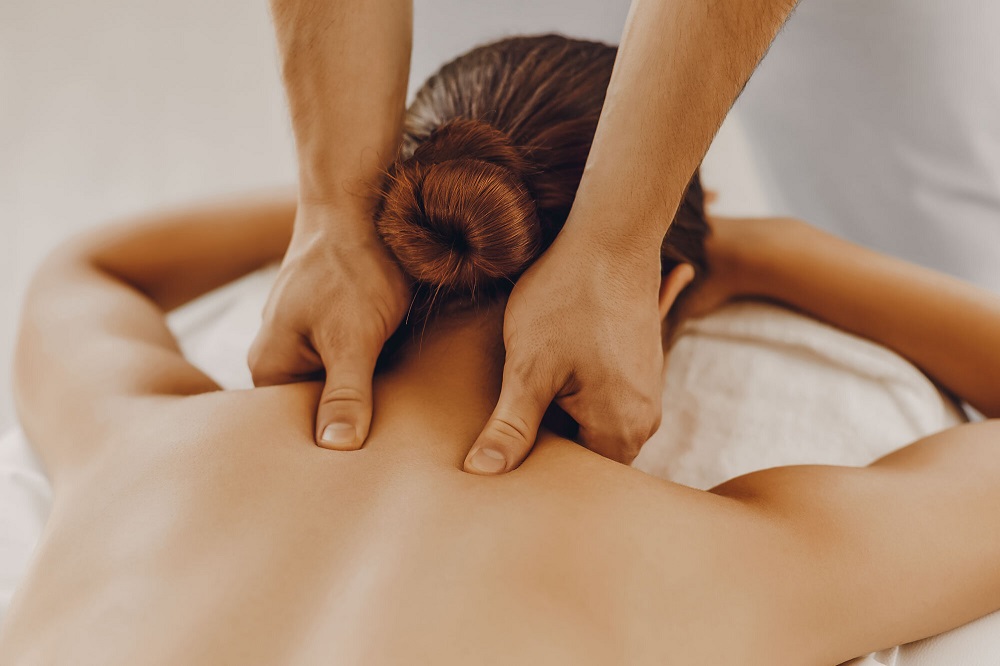

Acupressure is an ancient healing technique that uses targeted finger pressure on specific points of the body to support physical and emotional wellness. Rooted in traditional Asian healing systems and practiced for thousands of years, it remains widely used today as a safe, noninvasive method for relieving discomfort, improving circulation, and restoring balance.
Unlike acupuncture, which uses needles, acupressure relies solely on manual pressure applied with fingers, thumbs, palms, or specialized tools. This makes it accessible to people of all ages and suitable for both professional treatment and self-care at home.
Modern research continues to explore how acupressure influences nerve signaling, muscle tension, blood flow, and the body’s natural healing responses. Many individuals use it as part of a holistic lifestyle that includes nutrition, exercise, and stress management.
What Is Acupressure
Acupressure is a therapeutic practice based on the idea that energy pathways run throughout the body. These pathways are traditionally called meridians. According to classical healing theory, blockages along these pathways may contribute to discomfort or illness.
By applying steady pressure to specific points along these channels, practitioners aim to:
- Stimulate circulation
- Release muscle tension
- Support organ function
- Promote relaxation
- Encourage natural healing processes
While traditional explanations refer to energy flow, modern interpretations often connect acupressure’s benefits to improved nerve signaling, hormonal balance, and enhanced blood circulation.
How Acupressure Works
Acupressure activates sensitive nerve receptors beneath the skin. These receptors send signals to the brain and spinal cord, triggering physiological responses that influence pain perception, muscle relaxation, and emotional regulation.
Some possible mechanisms include:
- Release of endorphins that reduce pain
- Improved blood flow to targeted areas
- Relaxation of tight muscles
- Regulation of stress hormones
- Enhanced lymphatic drainage
Because the method involves gentle manual pressure rather than invasive techniques, it is widely considered a supportive therapy rather than a replacement for medical care.
Major Benefits of Acupressure
People turn to acupressure for a wide range of physical and emotional concerns. When used regularly and correctly, it may support overall wellness in several ways.
Pain Relief
Acupressure is commonly used to ease:
- Headaches
- Neck stiffness
- Shoulder tension
- Lower back discomfort
- Joint pain
Applying pressure to certain points may interrupt pain signals traveling through the nervous system.
Stress Reduction
Stress affects nearly every system in the body. Acupressure helps calm the nervous system by activating relaxation responses that slow breathing and lower heart rate.
Many individuals report improved mood and mental clarity after sessions.
Improved Sleep Quality
Stimulating specific pressure points may help regulate sleep patterns. This is especially helpful for people experiencing mild insomnia related to stress or anxiety.
Digestive Support
Certain acupressure points are associated with digestive comfort. Gentle stimulation may help relieve bloating, nausea, and mild stomach discomfort.
Enhanced Circulation
Manual pressure encourages better blood movement through muscles and tissues, supporting oxygen delivery and recovery from fatigue.
Common Acupressure Points and Their Uses
Several pressure points are frequently used in both professional practice and self-care routines.
LI4 Pressure Point
Located between the thumb and index finger, this point is commonly used for:
- Headache relief
- Facial tension
- Stress management
It should be avoided during pregnancy unless guided by a professional.
PC6 Pressure Point
Found on the inner forearm near the wrist crease, this point supports:
- Nausea relief
- Anxiety reduction
- Motion sickness control
GB20 Pressure Point
Positioned at the base of the skull, this point may help:
- Neck stiffness
- Headaches
- Eye fatigue
LV3 Pressure Point
Located on the top of the foot between the first two toes, this point supports:
- Stress regulation
- Emotional balance
- Foot discomfort relief
Acupressure Techniques for Beginners
Learning basic acupressure techniques allows individuals to practice safely at home.
Step One: Find the Correct Point
Use diagrams or professional guidance to identify pressure points accurately.
Step Two: Apply Gentle Pressure
Use your thumb or fingertip to press firmly but comfortably.
Pressure should never cause sharp pain.
Step Three: Hold for One to Three Minutes
Maintain steady pressure while breathing slowly.
Step Four: Repeat on Both Sides
Many pressure points exist symmetrically on the body.
Consistency improves results over time.
Acupressure for Stress and Anxiety Relief
Stress management is one of the most common reasons people explore acupressure. Regular stimulation of calming pressure points helps shift the body away from tension responses and toward relaxation.
Helpful points for stress relief include:
- The wrist inner forearm point
- The base of the skull point
- The shoulder tension point
Practicing acupressure before bedtime or during work breaks may help maintain emotional balance throughout the day.
Acupressure for Headache Management
Headaches often result from muscle tension, poor posture, or fatigue. Applying pressure to specific hand and neck points may reduce discomfort without medication.
Recommended techniques include:
- Pressing the hand webbing point
- Massaging the base of the skull
- Applying gentle circular pressure to temples
Regular hydration and posture awareness enhance results.
Acupressure for Digestive Comfort
Digestive discomfort can interfere with daily productivity. Acupressure supports digestive balance by stimulating points associated with stomach and intestinal function.
Commonly targeted areas include:
- Inner forearm near the wrist
- Below the kneecap on the lower leg
- The abdominal center region
Gentle pressure combined with slow breathing encourages relaxation of digestive muscles.
Acupressure for Better Sleep
Sleep disturbances often relate to stress and mental overload. Acupressure can help quiet the nervous system and prepare the body for rest.
Helpful bedtime techniques include:
- Pressing the wrist relaxation point
- Massaging the base of the skull
- Stimulating the center of the foot arch
Practicing these methods nightly may gradually improve sleep quality.
Differences Between Acupressure and Acupuncture
Although both techniques share historical origins and theoretical foundations, they differ significantly in practice.
Acupressure involves:
- Manual finger pressure
- No needles
- Self-care accessibility
- Lower treatment cost
Acupuncture involves:
- Thin sterile needles
- Professional administration
- Deeper stimulation of pressure points
- Clinical treatment settings
Both methods aim to support balance within the body but serve different preferences and comfort levels.
Safety Considerations Before Practicing Acupressure
Acupressure is generally safe when performed correctly. However, certain precautions are important.
Avoid acupressure if you:
- Have open wounds near pressure points
- Experience fractures or recent injuries
- Have severe chronic medical conditions without guidance
- Are pregnant and stimulating restricted points
Consulting a healthcare provider ensures safe integration into a wellness routine.
Who Can Benefit from Acupressure
Acupressure may support people across different age groups and lifestyles.
It is especially helpful for:
- Office workers with posture strain
- Students experiencing stress
- Athletes managing muscle fatigue
- Older adults seeking gentle wellness support
- Individuals exploring natural self-care methods
Because it requires minimal equipment, it fits easily into daily routines.
How Often Should You Practice Acupressure
Frequency depends on individual goals and comfort levels.
General recommendations include:
- Daily sessions for stress relief
- Several times per week for muscle tension
- Occasional use for mild headaches or fatigue
Consistency produces better long-term results than occasional use.
Integrating Acupressure Into a Healthy Lifestyle
Acupressure works best as part of a broader wellness strategy rather than a standalone solution.
Consider combining it with:
- Regular physical activity
- Balanced nutrition
- Hydration habits
- Breathing exercises
- Adequate sleep routines
Together, these habits create a supportive environment for the body’s natural healing systems.
Frequently Asked Questions About Acupressure
Can acupressure be practiced every day
Yes. Gentle daily practice is safe for most individuals and may improve long-term benefits such as relaxation and circulation.
Does acupressure hurt during treatment
Proper acupressure should create a firm but comfortable sensation. Sharp pain indicates too much pressure.
How long does it take to feel results from acupressure
Some people notice immediate relaxation, while others experience gradual improvements over several sessions.
Is acupressure suitable for children
Yes. Light pressure techniques can be adapted safely for children when guided by trained practitioners or reliable instruction.
Can acupressure help with motion sickness
Certain wrist pressure points are commonly used to reduce nausea related to motion sickness.
Do I need special tools for acupressure practice
Most techniques can be performed using fingers or thumbs, though some people use rounded massage tools for convenience.
Can acupressure replace medical treatment
Acupressure supports wellness but should not replace professional medical care for serious conditions. It works best as a complementary approach within a comprehensive health plan.
Comments are closed.